Anti Phishing Software Vs Traditional Email Filters:
What Works Better?
Email remains a fundamental element of business communication, but it is also the most frequently targeted medium for cyberattacks. With the evolution of phishing techniques, organizations must consider a vital issue: Is conventional email filtering sufficient, or does specialized anti-phishing software provide enhanced security? This comprehensive analysis explores the mechanisms of both methods, identifies their limitations, and determines which solution offers more robust email protection in the current threat environment.
Understanding Traditional Email Filters
Conventional email filters were created to address initial types of spam and fundamental malware threats. These filters utilize established guidelines and fixed detection techniques to prevent unwanted communications from entering inboxes.
How Traditional Email Filters Work
Traditional filters typically use:
- Keyword-based detection
- Sender reputation scoring
- Blacklists and whitelists
- Known malware signatures
These filters are designed to detect clear instances of spam and recognize threats that have been identified in the past.
Strengths of Traditional Email Filters
Traditional email filters still offer value in basic security layers:
- Effective at blocking mass spam campaigns
- Low system complexity
- Minimal configuration required
- Suitable for small environments with low risk exposure
For many years, they have acted as the primary barrier against unwanted email communications.
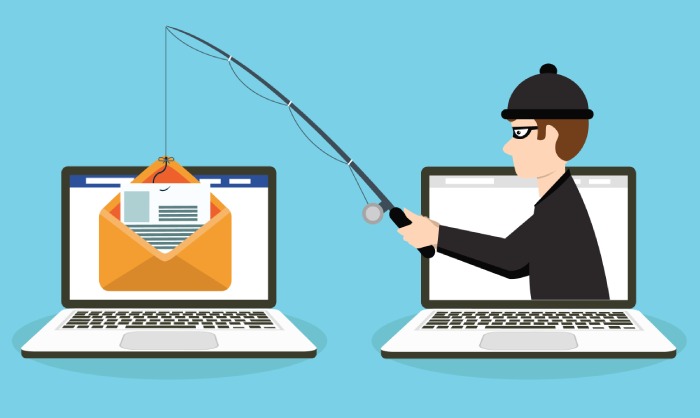
Limitations of Traditional Email Filters
Although traditional filters have been successful historically, they now face significant challenges from contemporary phishing techniques.
Inability to Detect Advanced Phishing
Modern phishing emails are carefully crafted to:
- Mimic trusted brands
- Use legitimate-looking domains
- Avoid malicious attachments
- Include clean links that later redirect
Conventional filters frequently overlook these messages, as they do not align with established spam signatures.
High False Negatives
Traditional filters operate based on recognized patterns, allowing many new phishing attacks to circumvent them and appear directly in employee inboxes.
Lack of Contextual Awareness
Traditional filters do not understand:
- User behavior
- Business communication patterns
- Email intent
This lack of context severely limits their effectiveness against targeted attacks.
What Is Anti-Phishing Software?
Anti-phishing software represents a contemporary and specialized approach tailored to identify, evaluate, and thwart phishing attempts as they occur. In contrast to conventional filtering methods, it prioritizes behavioral analysis, threat intelligence, and contextual assessment.
How Anti-Phishing Software Works
Advanced technologies are employed by anti-phishing solutions to detect threats proactively, preventing potential harm from occurring.
Behavior-Based Detection
Instead of relying on static rules, anti-phishing software analyzes:
- Sender behavior patterns
- Domain age and trustworthiness
- Email intent and anomalies
This allows detection of previously unseen phishing attacks.
Real-Time Link and Attachment Scanning
Anti-phishing software evaluates links and attachments in real-time during user interaction, rather than solely at the point of delivery. This approach effectively prevents:
- Delayed malicious redirects
- Weaponized cloud-hosted files
- Zero-day phishing campaigns
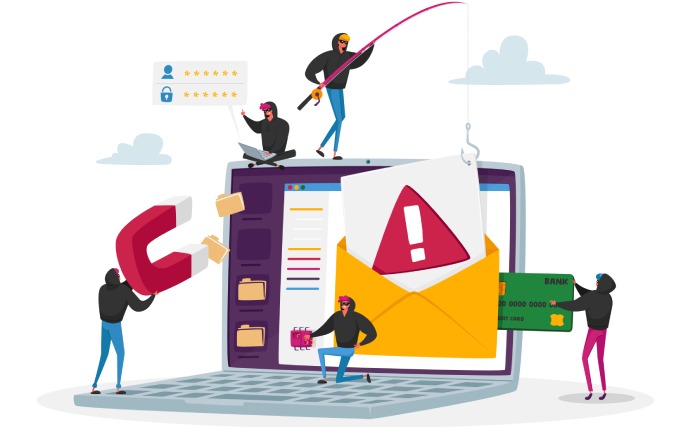
Advanced Capabilities of Anti-Phishing Software
AI and Machine Learning Analysis
Modern anti-phishing tools use artificial intelligence to:
- Identify subtle language manipulation
- Detect impersonation attempts
- Learn from new attack techniques
This adaptive learning gives organizations an edge over evolving threats.
Domain Spoofing and Impersonation Protection
Anti-phishing software integrates with SPF, DKIM, and DMARC to:
- Detect domain spoofing
- Prevent brand impersonation
- Block unauthorized senders
This layer is critical in stopping business email compromise attacks. Discover more by clicking this source.
Anti-Phishing Software vs Traditional Filters: Key Differences
Detection Accuracy
Conventional filtering systems depend on established threat signatures, whereas anti-phishing software is designed to identify both unknown and emerging threats by analyzing behavior and contextual factors. This approach significantly enhances detection accuracy. By assessing the intent of the sender, patterns within messages, and signals from user interactions, anti-phishing solutions effectively minimize both false positives and overlooked attacks. This comprehensive analysis allows for the early identification of even highly targeted spear-phishing attempts, thus preventing potential harm.
Response Time
Anti-phishing measures operate in real time, enabling immediate blocking of harmful links and attachments even after an email has been received. In contrast, traditional filters do not provide this level of dynamic protection. Should a link become malicious hours or days post-delivery, anti-phishing systems can promptly neutralize the threat, reducing the exposure risk for users.
Adaptability to New Threats
Anti-phishing technology consistently refines its threat intelligence and detection methodologies. Traditional filters, on the other hand, necessitate manual rule updates and often fall behind emerging attack strategies. Leveraging machine learning, these advanced solutions can identify shifting phishing tactics without the need for predetermined signatures. As attackers evolve their methods, anti-phishing tools automatically adjust, ensuring ongoing protection.