How Anti-Phishing Software Helps Detect And
Prevent Phishing Scams Effectively
Prevent Phishing Scams Effectively
Phishing attacks have become one of the most prevalent cyber threats, targeting individuals and businesses alike. Cybercriminals use deceptive emails, malicious links, and fraudulent websites to steal sensitive information such as login credentials, financial details, and personal data. As phishing tactics evolve, anti-phishing software plays a crucial role in detecting and preventing these scams before they cause damage.
In this article, we’ll explore how anti-phishing software works, its key features, and why it’s essential for enhancing cybersecurity in today’s digital landscape.
Understanding Phishing Attacks and Their Impact
What is Phishing?
Phishing is a form of cyberattack where attackers impersonate legitimate entities—such as banks, government agencies, or trusted organizations—to deceive victims into providing sensitive information. These attacks are often delivered via email, SMS, or malicious websites.
Types of Phishing Attacks
- Email Phishing: Fraudulent emails that appear to be from reputable sources, urging users to click on links or download attachments.
- Spear Phishing: Targeted phishing attacks against specific individuals or organizations, often customized with personal details to appear more convincing.
- Whaling Attacks: Aimed at high-profile targets such as executives or decision-makers in an organization.
- Smishing and Vishing: Phishing attempts using SMS (smishing) or voice calls (vishing) to deceive victims.
- Clone Phishing: Attackers clone a legitimate email and resend it with malicious links or attachments.
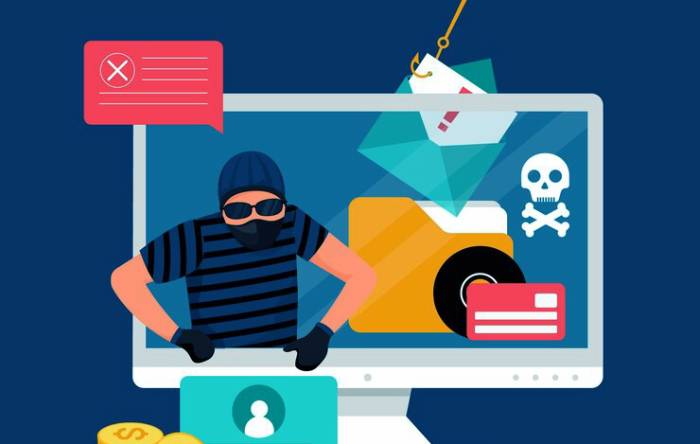
How Anti-Phishing Software Detects and Prevents Phishing Scams
1. Real-Time Email Scanning and Filtering
One of the primary features of anti-phishing software is its ability to scan incoming emails and filter out phishing attempts. Advanced email security tools analyze:
- Utilizing Sender Authentication methods (SPF, DKIM, DMARC) to confirm email sender validity.
- Analyzing Email Headers to identify spoofed addresses or irregular patterns.
- Inspecting Embedded Links for harmful domains prior to user interaction.
Numerous business email security solutions, including Microsoft Defender for Office 365, Proofpoint, and Mimecast, utilize AI-based phishing detection to intercept harmful emails prior to delivery to the recipient's inbox.
2. URL and Link Protection
Phishing websites often mimic real login pages to steal credentials. Anti-phishing software prevents access to these fake sites by:
- Conducting real-time URL analysis to detect dubious domains and IPs.
- Preventing access to recognized phishing sites by cross-referencing URLs with global threat intelligence.
- Employing sandboxing techniques to safely examine unfamiliar links, thus averting possible malware threats.
For instance, Google Safe Browsing and Microsoft SmartScreen alert users when they try to access phishing sites.
3. AI-Powered Threat Intelligence
Contemporary anti-phishing technologies utilize machine learning and AI to detect emerging phishing strategies. These systems evaluate:
- Analyzing email content for patterns to detect impersonation through writing style, keywords, and formatting.
- Monitoring user behavior to flag suspicious activities like atypical login attempts.
- Utilizing real-time threat intelligence feeds to refresh databases with emerging phishing threats.
AI-driven solutions such as Cofense PhishMe and Abnormal Security enable organizations to proactively combat sophisticated phishing threats.
4. Multi-Factor Authentication (MFA) Enforcement
Multi-factor authentication (MFA) enhances security, even if phishing successfully captures login details. Many anti-phishing tools work alongside MFA, prompting users to confirm their identity through:
- One-time passcodes (OTPs) delivered through SMS, email, or authentication applications.
- Biometric authentication methods, including fingerprint and facial recognition.
- Hardware security tokens such as YubiKey and Google Titan.
Implementing MFA policies enables businesses to safeguard against unauthorized access, even when credentials are breached.
5. Anti-Malware and Attachment Scanning
Phishing emails frequently include harmful attachments that activate malware when opened. Anti-phishing software safeguards users by:
- Inspecting attachments for threats such as malware, ransomware, and trojans.
- Utilizing sandboxing to run attachments in a secure environment for identifying harmful activity.
- Preventing high-risk executable file attachments (.exe, .vbs, .bat) from being received.
Cisco Umbrella, Barracuda Email Security, and Avanan provide strong email security solutions that identify and isolate harmful attachments, preventing device infections.
6. User Awareness and Phishing Simulations
Although technology is crucial for combating phishing, human error continues to pose a major threat. To address this, many anti-phishing solutions incorporate security awareness training and phishing simulations to help users recognize potential threats.
- Interactive phishing assessments educate staff on identifying deceptive emails.
- Security training initiatives promote effective strategies to evade phishing attempts.
- Simulated phishing scenarios evaluate employee reactions to actual phishing risks.
KnowBe4 and Cofense offer extensive training programs aimed at minimizing the risk of human error in phishing attacks. For additional details, visit here.