How To Prevent Phishing In 2026
Best Practices For Individuals & Companies
In 2026, phishing remains a significant and prevalent threat within the realm of cybersecurity, impacting both individuals and organizations. Even with the evolution of security measures, cybercriminals are enhancing their tactics, creating increasingly convincing communications that manipulate trust. Through fraudulent emails, text messages, and counterfeit websites, phishing schemes can lead to the theft of sensitive data, financial losses, and reputational harm. To effectively mitigate phishing risks, it is essential to adopt a comprehensive approach that includes awareness, robust technical protections, and implementation of best practices suitable for both personal users and businesses. Discover more by clicking this source.
What is Phishing?
Phishing represents a form of cyber threat in which malicious actors disguise themselves as reputable organizations to extract sensitive information, including passwords, credit card details, or corporate data. Distinct from more generalized malware attacks, phishing relies on the exploitation of trust and psychological manipulation. Perpetrators frequently masquerade as financial institutions, associates, or service providers, aiming to deceive individuals into promptly engaging in actions such as clicking on harmful links or divulging confidential information.
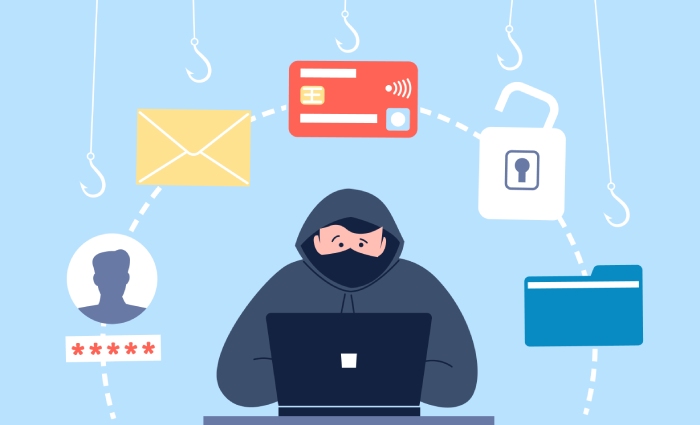
Modern phishing tactics include:
- Email Phishing: Deceptive emails that imitate communications from banks, online platforms, or internal company messages.
- Spear Phishing: Carefully directed attacks focusing on particular individuals or high-ranking executives.
- Smishing: Phishing attempts executed through SMS or text messaging.
- Vishing: Voice phishing carried out via telephone calls, often presenting a sense of urgency or emphasizing technical complications.
- Clone Phishing: The act of crafting a duplicate of an authentic email containing harmful links or attachments.
Best Practices for Individuals
- Be Skeptical of Unsolicited Requests
Before replying to any emails, texts, or calls that seek sensitive information, it is essential to confirm the identity of the sender. Phishing attempts often exploit a sense of urgency or fear to elicit hasty responses. Ensure to validate the authenticity of such requests through official sources before divulging any personal or financial information.
- Check Email and Website Authenticity
Be vigilant for discreet signs of phishing attempts:
- Domains with spelling errors or atypical URLs
- Generic salutations rather than personalized communication
- Unanticipated attachments or requests to download files
Before clicking on any links, hover your cursor to reveal the true URL. When uncertain, it is advisable to access the website directly instead of relying on the provided link.
- Use Strong, Unique Passwords
Utilize distinct passwords for each of your accounts and contemplate the use of a password manager. Robust passwords significantly reduce the likelihood of unauthorized access, even if some information is compromised. Whenever feasible, activate multi-factor authentication (MFA) to enhance your security further.
- Keep Devices and Software Updated
Cybercriminals take advantage of weaknesses in obsolete software. To safeguard yourself from emerging threats, it is essential to consistently update your operating systems, web browsers, and security programs.
- Educate Yourself on Common Scams
Being informed serves as a powerful shield against threats. It is essential to keep abreast of new phishing strategies and to exercise caution regarding emails that promise urgent rewards, highlight account problems, or feature unexpected alerts.
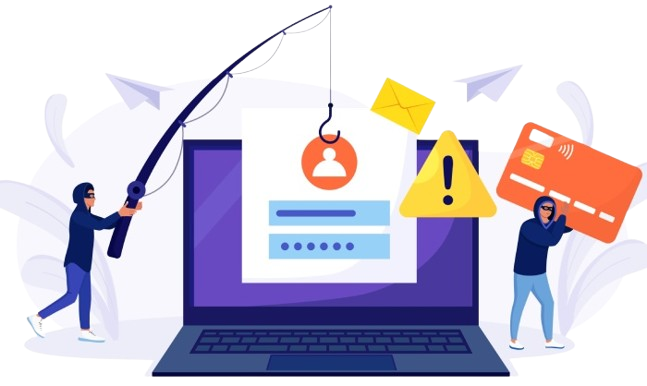
Best Practices for Companies
- Implement Email Authentication Protocols: Organizations should adopt SPF, DKIM, and DMARC to authenticate legitimate emails and prevent domain spoofing by attackers.
- Employee Training and Awareness: Regular cybersecurity training and phishing simulations are essential for empowering employees, enabling them to identify and report suspicious emails.
- Secure Access and Privileges: Access to sensitive data should follow a need-to-know principle. Implement role-based access controls and strong authentication measures, including MFA, while monitoring account activities for any irregularities.
- Regular Monitoring and Incident Response: Establish monitoring systems to identify phishing threats and unusual network activity. Develop a clear incident response plan to guide employees in the event of a suspected phishing attack, ensuring rapid mitigation.
- Backup Critical Data: Regularly back up critical data to facilitate recovery from potential ransomware or data loss incidents. Ensure that backups are tested for integrity and accessibility.
Emerging Phishing Trends in 2026
As cybercriminals increasingly leverage sophisticated AI technologies and social engineering methods, phishing attacks are becoming more precise and difficult to identify. Emails created by AI can closely replicate various writing styles, highlighting the importance of integrating human awareness with automated detection systems. It is essential for both businesses and individuals to stay alert and consistently refine their security measures.