- Email accounts
- Cloud storage services
- Customer relationship management (CRM) systems
- Financial and payroll websites
- Remote access applications (VPN/RDP)
- Sudden urgent demands (e.g., “immediate action required” or “your account is at risk”)
- Requests for login credentials, payment information, or confidential data
- Emails from unfamiliar sources impersonating internal team members
- Grammatical errors, odd formatting, or typos
- Links that appear different from their displayed text
- Attachments with unusual file types or names
- Pinpoint departments that are at greater risk
- Enhance the effectiveness of training programs
- Promote secure email behavior
- Gradually lower the rates of actual email clicks in real situations
- Validate payment requests through a phone call or internal messaging.
- Check login notifications directly on official websites.
- Consult with IT before opening any questionable attachments.
- SPF (Sender Policy Framework): designates which mail servers are permitted to send emails.
- DKIM (DomainKeys Identified Mail): incorporates a digital signature to confirm the message's authenticity.
- DMARC (Domain-based Message Authentication): establishes protocols for addressing failed authentication attempts.
Phishing Prevention Tips That Strengthen
Email Security And User Awareness
Email Security And User Awareness
Phishing continues to be a prevalent and harmful cyber threat impacting both companies and individuals alike. This issue transcends mere technology; it fundamentally involves human behavior. Cybercriminals exploit tactics such as trickery, urgency, and intrigue to entice individuals into clicking harmful links, downloading infected files, or revealing confidential data like passwords and financial information. Fortunately, with a combination of effective email security measures, informed user practices, and targeted awareness training, organizations can significantly mitigate the likelihood of falling victim to phishing scams. By integrating technology with educational efforts, the risk of successful phishing attempts can be greatly diminished.
Why Phishing Is Still So Effective
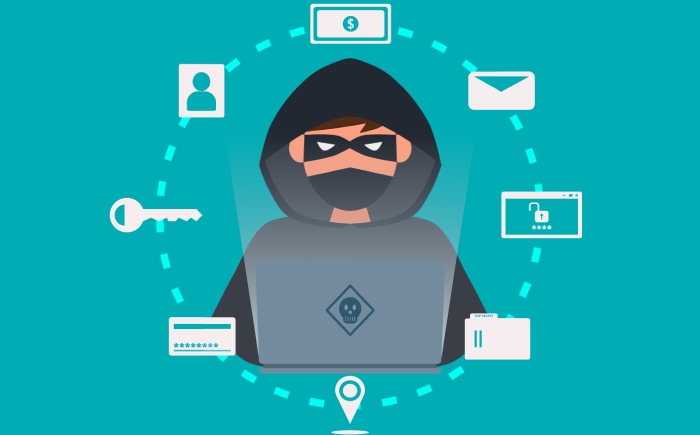
Phishing exploits people's trust by masquerading as credible sources. Messages might seem to originate from a manager, financial institution, courier service, or a reputable software company. Cybercriminals enhance their schemes with professional branding, convincing language, and forged email addresses to create a façade of authenticity. While some phishing messages are poorly crafted and easily identifiable, many recent attacks are expertly designed and personalized, posing a significant risk to busy individuals who lack the time to scrutinize each communication.
Phishing can manifest in various ways, such as email scams, SMS fraud (smishing), telephone con schemes (vishing), and even fake accounts on social media platforms. Nonetheless, email remains the primary method of attack due to its prevalence in professional environments and its connection to essential systems.
Key Phishing Prevention Tips for Stronger Email Security
Use Advanced Email Filtering and Threat Detection
An effective email security gateway or cloud filtering solution can intercept numerous phishing emails before they arrive in users' inboxes. These tools analyze sender behavior, identify harmful attachments, detect unsafe URLs, and recognize established phishing domains. Additionally, contemporary systems leverage AI-driven threat detection to identify novel phishing attempts that deviate from previous patterns.
For organizations, allocating resources toward sophisticated email filtering is a highly impactful measure, as it minimizes the daily threats that users face.
Enable Multi-Factor Authentication (MFA) Everywhere
Although a phishing email may successfully obtain a password, multi-factor authentication (MFA) can stop hackers from accessing the account. MFA adds an extra verification step — like a prompt on your mobile device, a code from an authentication app, or a hardware key — making it significantly tougher for attackers to gain control.
Implementing MFA is one of the easiest and most effective measures to safeguard against breaches linked to phishing.
Train Users to Recognize Phishing Red Flags
While technology can prevent many threats, it cannot stop all of them. Ultimately, users serve as the final safeguard.
Employees who are well-informed are much less likely to act impulsively rather than thoughtfully. Access detailed insights on this topic.
Build a Security-Aware Culture in the Workplace
Run Regular Phishing Simulations
Phishing simulations serve as an effective method for assessing and enhancing awareness among employees. These structured activities involve sending lifelike phishing emails to staff members and monitoring their reactions. The primary aim is not to penalize individuals, but to inform them and fortify weaker practices.
Encourage a “Pause and Verify” Mindset
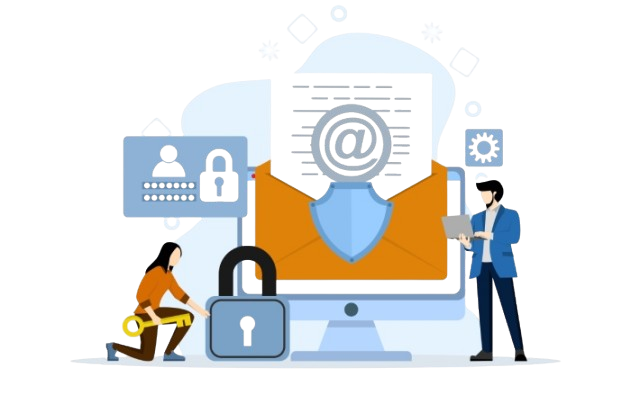
Numerous phishing scams thrive due to hasty reactions from users. It's essential to foster an environment where taking a moment to verify information is standard practice. Employees must feel at ease in double-checking requests, particularly concerning financial transactions, passwords, or sensitive information.
Strengthen Email Authentication and Domain Protection
Implement SPF, DKIM, and DMARC
The trio of email authentication techniques collaborates to validate the legitimacy of emails originating from your domain:
When set up correctly, SPF, DKIM, and DMARC greatly diminish the chances of email spoofing and impersonation.