SPF Record Setup Guide: Prevent Spam And
Authenticate Your Emails Easily
Authenticate Your Emails Easily
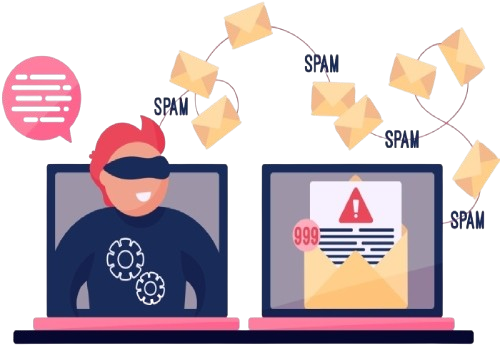
Email continues to be a crucial means of communication for both businesses and individuals; however, it faces significant issues like spam and email spoofing. When proper authentication is lacking, cybercriminals can send fraudulent emails that seem to originate from your domain, harming your reputation and lowering email deliverability. This is where SPF (Sender Policy Framework) becomes important.
By establishing an SPF record, you can authenticate the sources of your emails, thwart spam, and safeguard your domain from unauthorized access. Implementing an SPF record ensures that emails dispatched from your domain are genuine, which enhances reliability and minimizes the chances of being marked as spam.
What Is an SPF Record and Why It Matters
An SPF record is a specific type of DNS record that designates which mail servers have permission to send emails on behalf of your domain. When an email is delivered, the recipient's server verifies the sending server against the SPF record to see if it’s authorized. If the server isn’t included, the email may be flagged as spam or outright rejected.
Setting up SPF is essential for preserving the integrity of your emails. It safeguards your domain against spoofing attempts, enhances your sender reputation, and boosts the likelihood that your messages will reach inboxes instead of getting routed to spam. Without an SPF record in place, your domain becomes susceptible to exploitation, which can damage your brand and hinder effective communication.
How SPF Works in Email Authentication
SPF functions by assessing the IP address of the mail server that is sending the email against a list of permitted servers specified in your SPF record. When an email is sent, the recipient’s server looks up the SPF record through your domain's DNS. It then verifies if the sending server corresponds to the listed authorized servers.
If it finds a match, the SPF verification succeeds. Conversely, a failure can result in the email being filtered out or rejected based on the policies of the recipient's email system. This verification occurs within seconds and is vital for establishing the credibility of your email. To explore further, simply click on the link.
Key Components of an SPF Record
Grasping how an SPF record is structured is crucial for effective setup. This record consists of a single line and incorporates various mechanisms and qualifiers.
- Version (v=spf1): Specifies the version of SPF in use.
- Include: Permits external services, such as email marketing tools, to send emails for you.
- IP Addresses: Identifies the specific servers authorized to send emails.
- All Mechanism: Dictates the action taken if an unauthorized sender tries to send an email (e.g., soft fail or hard fail).
These components work in harmony to clearly outline which sources are permitted, thus ensuring proper authentication.

Step-by-Step Guide to Setting Up an SPF Record
Establishing an SPF record might seem daunting, but it’s quite straightforward with the right method.
- List Your Authorized Email Senders: Begin by identifying all the services that are permitted to send emails from your domain. This encompasses your main mail server, cloud-based email solutions, marketing platforms, and any automated systems.
- Formulate Your SPF Record: Gather all the permitted sources into one comprehensive SPF record. Ensure that you include every legitimate sender, as omitting one could lead to authentic emails being rejected.
- Incorporate the SPF Record into DNS: Access your domain hosting account and navigate to your DNS settings. Create a new TXT record and insert your SPF configuration. It’s important to have only one SPF record per domain to prevent any conflicts.
- Verify Your SPF Setup: Once you've added the record, utilize online tools to check if it’s configured correctly. Testing is crucial to catch any mistakes and to confirm that your emails will successfully pass authentication
- Stay Updated and Monitor Frequently: As changes occur in your email setup, be sure to adjust your SPF record accordingly. Regular checks help preserve its accuracy and effectiveness.
Benefits of Proper SPF Implementation
An optimally set up SPF record provides numerous benefits. It greatly minimizes the risk of email spoofing, safeguards your domain’s standing, and improves the likelihood of successful email delivery. This translates to a higher chance of your messages reaching their intended recipients without being marked as spam.
Additionally, SPF fosters trust with email service providers, which facilitates the passing of security validations. When used alongside other verification methods such as DKIM and DMARC, it creates a robust barrier against email fraud.