Phishing attacks have emerged as a prevalent and harmful cyber threat for both individuals and organizations today. Cybercriminals are constantly improving their methods, employing deceptive emails, fraudulent websites, and social engineering strategies to manipulate users into disclosing sensitive information or downloading harmful software. Given that email is often the main gateway for these threats, adopting robust practices to prevent phishing is essential for contemporary email security. This guide outlines effective strategies to minimize risks, safeguard your data, and preserve trust.
Understanding What Phishing Is and Why It’s Dangerous
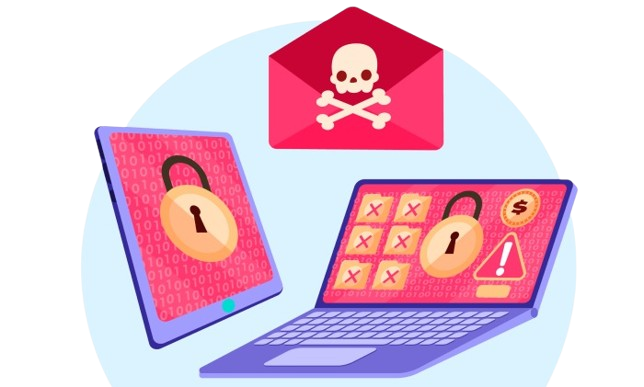
Phishing is a type of cyberattack in which perpetrators fake the identities of trustworthy organizations like banks, suppliers, or company staff to trick individuals into performing dangerous tasks. Such tasks can involve clicking on harmful links, downloading malware-laden files, or revealing login information. The risks include not just financial loss, but also data breaches, ransomware threats, harm to reputation, and regulatory repercussions.
Implement Strong Email Authentication Protocols
A highly efficient way to combat phishing is through accurate email authentication. These protocols ensure that emails appearing to originate from your domain are genuine and approved.
Use SPF, DKIM, and DMARC Together
The Sender Policy Framework (SPF) specifies the mail servers authorized to send emails for your domain. DomainKeys Identified Mail (DKIM) enhances security by applying a cryptographic signature, confirming that the message remains unchanged. Domain-based Message Authentication, Reporting, and Conformance (DMARC) integrates SPF and DKIM, guiding receiving servers on how to manage emails that lack proper authentication.
When set up properly, these protocols greatly diminish the risk of domain spoofing and enhance the likelihood of successful email delivery.
Educate Employees to Recognize Phishing Attempts
Human mistakes continue to play a significant role in effective phishing schemes. Ongoing training equips users to serve as an added layer of protection. For additional details, visit here.
Key Topics to Cover in Security Awareness Training
How to Spot Dubious Email Addresses and Unforeseen Requests
- Identifying language that is alarming or urgent, meant to instill fear
- Steering clear of clicking on unfamiliar links or files
- Confirming requests for personal data via alternative communication methods
Regular practice sessions and refresher courses are essential for maintaining good security practices and ensuring safety remains a priority.
Deploy Advanced Email Security Solutions
Contemporary email dangers demand a solution beyond standard spam filtering. Innovative email security systems leverage artificial intelligence and behavioral assessment to identify phishing attempts as they happen.
- Analyze links and attachments prior to delivery
- Identify impersonation and similar domain issues
- Prevent zero-day threats and malware intrusion
- Automatically isolate dubious messages
Implementing a sophisticated email security layer enables organizations to intercept numerous phishing threats before they arrive in inboxes.
Enforce Strong Access Controls and MFA
Despite having robust protective strategies, certain phishing attacks can still be successful. It's crucial to minimize the effects of any stolen credentials.
Why Multi-Factor Authentication Matters
Multi-factor authentication (MFA) enhances user verification by necessitating more than simply entering a password. Users might need to provide a temporary code, use biometric identification, or employ a security token. By implementing MFA, the likelihood of unauthorized access is greatly diminished, even in cases where login details are compromised via phishing attacks.
Additionally, robust password policies and frequent checks of user credentials contribute to improved account protection.
Keep Systems and Software Up to Date
Obsolete systems and unupdated applications frequently harbor weaknesses that cybercriminals take advantage of following a phishing attempt. Consistent updates help to lower the risk of malware propagation or privilege escalation.
- Timely installation of operating system and application updates
- Updating email servers and security tools
- Deleting unsupported or unnecessary software
Implementing an active patch management approach significantly reduces vulnerability to identified threats.
Establish Clear Reporting and Response Processes
Motivate users to effortlessly flag any dubious emails, perhaps with a specific "Report Phishing" option. Security teams must review these submissions, eliminate comparable messages from other inboxes, and refine filters accordingly.
Moreover, keeping an eye on DMARC reports and security logs offers valuable information on attack trends, aiding in the enhancement of defenses over time.
Build a Layered Defense Strategy
There is no universally effective remedy to completely eliminate phishing attacks. A comprehensive strategy that integrates technology, policies, and human factors yields the best results.
- Implementing email authentication and filtering measures
- Providing user training and awareness programs
- Utilizing advanced threat detection systems
- Enforcing access controls and multi-factor authentication
- Engaging in ongoing monitoring and enhancements
By embracing a multi-layered and proactive strategy, organizations can considerably mitigate phishing threats and uphold robust email security.